The short answer
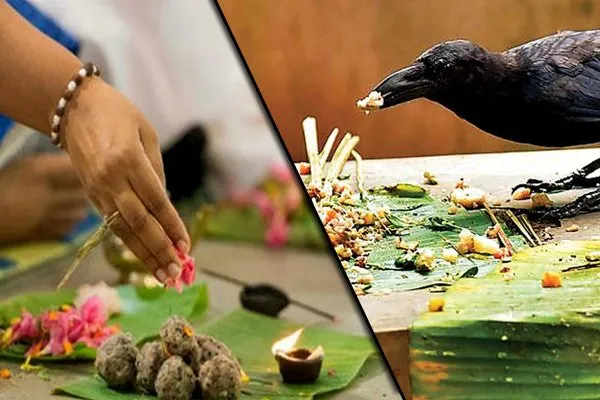
Pitru Paksha is the fortnight dedicated to ancestors, when families perform Shradh, Tarpan and Pind Daan to express gratitude and seek peace for departed souls. Kashi (Varanasi) is revered as the centre of ancestral liberation, and many families perform these rituals here.
Shradh, Tarpan and Pind Daan: what’s the difference?
- Shradh: rituals performed with faith (shraddha) for departed ancestors, including offerings and feeding Brahmins
- Tarpan: offering water with sesame and kusha grass to the ancestors
- Pind Daan: offering pinds (rice or barley flour balls with sesame and ghee) to the ancestors
When to perform them
During Pitru Paksha, on the tithi (death anniversary) of the departed, on Amavasya, or on dates advised after consultation. The date for each ancestor is traditionally based on their tithi.
How the rituals are performed
The Acharya takes the sankalp with the family’s names and gotra, invokes the ancestors with mantra, and guides the family through the offerings and tarpan in the correct sequence. We explain the meaning of each step.
In Varanasi or at home
Many families travel to Kashi for Pind Daan in Varanasi. Scriptures emphasise that correct process and intent are the true foundation, so we also perform these rituals at a venue of the family’s choice, in India or abroad.